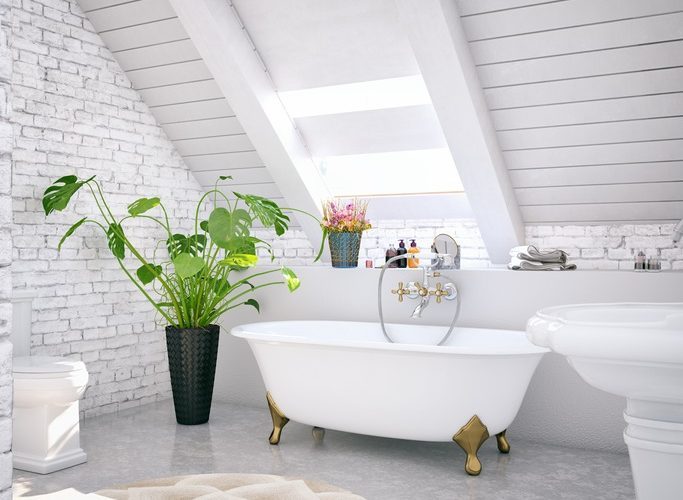
Ask any bathroom renovation contractor and they will tell you that a lot of things can affect the price tag of a bathtub. There are, after all, so many bathtub models out there. With such a dizzying array of shapes, sizes, and materials available today, how can you choose the right tub to fit right into your home and lifestyle? Before you splurge on the tub of your dreams for your bathroom remodeling project, however, make sure that you first consider how you intend to use the tub, and how much it’s likely to cost.
Questions to Ask Before Buying a Tub
Will a standard soaking tub work for you, or do you need a model with jets, heated blowers, automated cleaning systems or even aromatherapy features? Remember that the more elaborate your bathtub is, the pricier it will be.
While add-on features can boost your enjoyment, you also need to ensure your bathroom can accommodate the particular type of tub you’re planning to install. A standard tub is 60 inches long, 30 inches wide and 14 inches deep — but tubs can come in all sizes and shapes. This requires you to carefully measure your space and doorways, note where the drain is located and consider other special installation considerations to satisfy code requirements.
Also, you need to ensure your water heater has the capacity to fill your tub with an adequate amount of warm water. Another important consideration you need to take into account is the weight of your tub itself; your contractor may need to reinforce the floor beneath.
Bathtub Material
In addition to its shape and size, your bathtub’s material can affect the price, durability and ease of cleaning. Fiberglass or acrylic bathtubs can be molded into many shapes, and are the lightest option at 60-70 pounds. This material insulates well and doesn’t chip easily.
Formed steel bathtubs with a porcelain-enamel coating are even cheaper, but water tends to cool quickly in this material. The surface chips easily and the material weighs twice as much as plastic.
Cast iron tubs are also enamel-coated, typically with a thicker coating than that on steel tubs. A cast iron tub will pull heat from the water initially, but will also keep water warm for a long time. The main drawback is its weight: up to 500 pounds, which can make second-floor tub installations difficult.
There are various other tub materials in the market, such as cast polymer and proprietary composites. Each offers a unique set of features that could appeal to you. Choosing a bathtub also depends on your bathroom’s configuration.
Let the Pros Help
Call in bathroom experts like DreamMaker Bath & Kitchen to help remodel your bathroom and add value to your home. Start a conversation today!